Every community carries a history. It lives in memories, languages, traditions, music, family stories and shared experiences. For the Cameroonian and Francophone African diaspora in Greater Manchester, cultural heritage is more than a connection to the past. It is a source of identity, belonging and strength that helps individuals and families navigate the present while preparing for the future.
At Ensemble Manchester, we believe that cultural heritage should be preserved, shared and passed on to future generations. Through community projects, oral history initiatives and educational programmes, we are working to ensure that the experiences of those who came before us remain accessible and meaningful for those who will follow.
Keeping Memories Alive
Many of the first-generation migrants who arrived in the United Kingdom between the 1960s and 1990s faced significant challenges. They left familiar environments, adapted to a new society and worked hard to build opportunities for their families while maintaining connections to their cultural roots.
Their journeys are part of an important chapter in British and African diaspora history. Yet many of these stories remain undocumented and risk being lost over time.
By recording oral histories and collecting personal testimonies, Ensemble Manchester helps preserve these experiences. Each story contributes to a broader understanding of migration, resilience, community building and cultural adaptation. Together, these individual memories form a collective memory that strengthens community identity and enriches society as a whole.
The Role of Heritage in Identity and Belonging
For many young people growing up in multicultural Britain, questions of identity can be challenging. They often navigate different cultural influences at home, at school and within wider society.
Understanding family history and cultural heritage provides an important foundation. It helps young people develop confidence in who they are and where they come from. It also creates a stronger sense of belonging and connection to their communities.
Cultural heritage is not limited to historical facts. It includes languages spoken at home, traditional celebrations, music, food, storytelling, literature and values passed down through generations. These elements help shape identity and provide a sense of continuity across time.
Bridging Generations Through Shared Knowledge
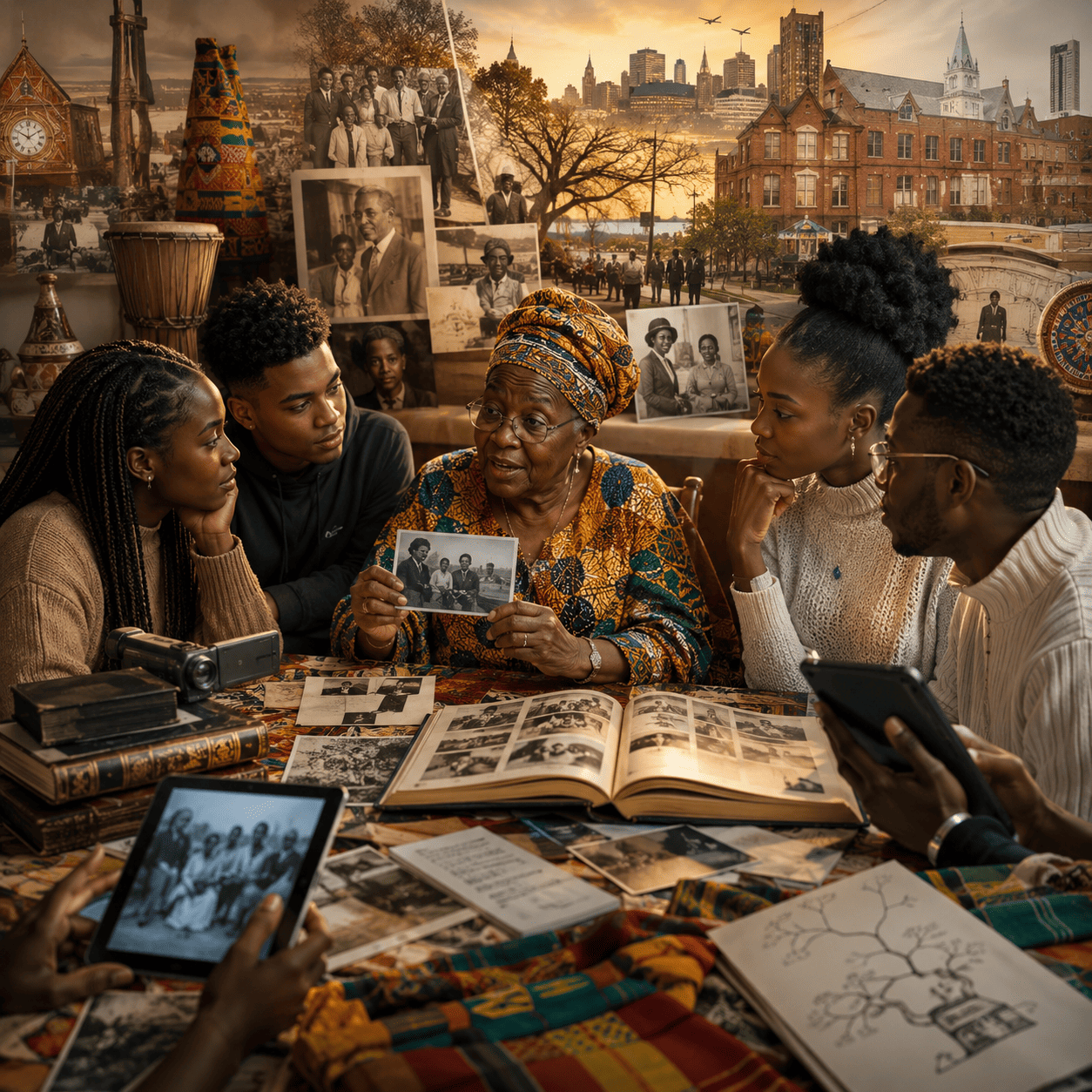
Elders play a vital role in preserving cultural memory. They carry knowledge, experiences and traditions that cannot be found in textbooks or archives. Their stories offer valuable lessons about perseverance, family, community and cultural pride.
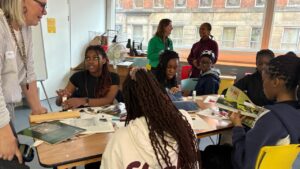
At the same time, young people play an equally important role. They are the future custodians of this heritage. By engaging with elders, asking questions and documenting family histories, they help ensure that cultural knowledge continues to evolve and remain relevant.
Intergenerational dialogue creates opportunities for mutual learning and respect. It strengthens relationships within families and communities while helping to reduce social isolation and cultural disconnection.
Community Activities That Preserve Heritage
Ensemble Manchester supports a range of activities designed to protect and celebrate cultural heritage.
These include:
• Oral history interviews with first-generation migrants
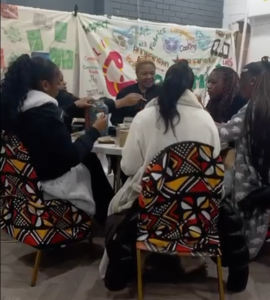
• Community storytelling sessions
• Family history and genealogy projects
• Cultural workshops on traditions, music, literature and language
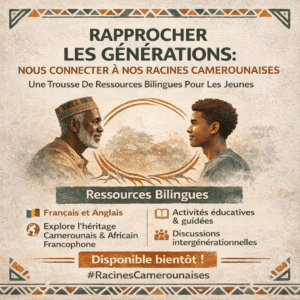
• Educational resources for schools and youth groups
• Digital heritage archiving and preservation
These initiatives provide practical opportunities for community members to contribute their knowledge, share their experiences and engage with their heritage in meaningful ways.
Building Stronger Communities
Cultural heritage is not only about preserving the past. It also supports stronger and more connected communities today.
When people understand their history and recognise the contributions of previous generations, they are more likely to develop a sense of pride and responsibility towards their community. Shared heritage creates opportunities for dialogue, understanding and cooperation across generations and cultures.
Research consistently shows that participation in culturally relevant programmes can improve wellbeing, increase confidence and strengthen social connections. Communities that value and preserve their heritage are often better equipped to address contemporary challenges while maintaining a strong sense of identity.
Looking Towards the Future
Preserving cultural heritage requires collective effort. Stories must be recorded, traditions must be shared and knowledge must be passed on. Every conversation, interview and family memory contributes to a larger legacy that benefits future generations.
At Ensemble Manchester, we are committed to safeguarding the cultural heritage and collective memory of the Cameroonian and Francophone African diaspora. By connecting generations and documenting lived experiences, we are helping to build a future rooted in knowledge, pride and belonging.
We invite community members, families, young people and elders to join us in this important work. Together, we can preserve our stories, celebrate our heritage and ensure that future generations remain connected to the rich history that continues to shape our community.